
The ICT environment in the context of marginalized communities is seeing intriguing developments as low-cost devices become the ubiquitous apparatus of information access in these groups. Internet-enabled smartphones are now affordable for all citizens, serving as windows into a bigger world for city dwellers and rural workers alike.
But a device alone is only half of the equation. People still need reliable Internet access to get a glimpse of the outside world, which can be cost-prohibitive on a marginal household income and a rising cost of living. This barrier can be overcome using free WiFi hotspots in cities, but rural communities don’t have the same luxury. Carriers have started offering their subscribers free social media access to fill this information gap (Rappler, 2014), allowing end-users to make connections and keep informed. This move to serve the underserved has only opened the doors for information disorder.
The lack of access to contradictory information to that found on social media made it easy for mechanized disinformation campaigns to change attitudes in favor of a specific political cause or candidate.
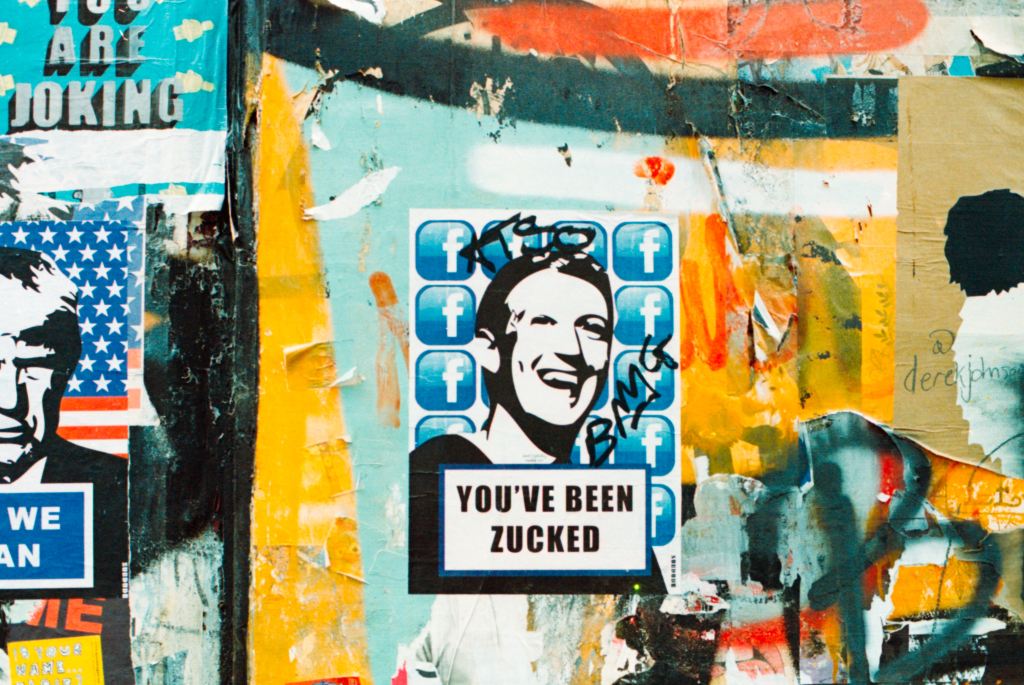
Because marginalized communities lack access to the full picture of the state of affairs, their economic position compels them to rely heavily on social media content for information. In fact, Facebook is considered the de facto Internet for many Filipinos, receiving the title of the most visited site in the country in 2016 (Grounds and Koff, 2022). Political actors then exploited the overexposure of Philippine society to a singular platform and paved the way for a Duterte presidency and, later on, the return of the Marcos family to Malacanan.
The lack of access to contradictory information to that found on social media made it easy for mechanized disinformation campaigns to change attitudes in favor of a specific political cause or candidate. Users can’t fact-check claims because their wireless plan only covers Facebook, and even with full Internet, they can’t get past paywalls. The incendiary, out-of-context headlines published by traditional outfits to attract eyeballs don’t help either, as they only give snippets of intricate stories and thereby help create a very skewed perception of reality (Grounds and Koff, 2022).
In this scenario, allowing partial access to information did more harm than good to society. Information therefore needs to be studied not separately from communication, but within the context of how it is communicated across individuals, communities, and societies. Information is fundamentally dependent on interpretation, and the sharing of ideas that communication affords participants only helps create a more accurate representation of intended meaning (Burgin, 2008).
References
Burgin, M. (2008, September). Foundations of Information theory. Research Gate. https://www.researchgate.net/publication/1745621_Foundations_of_Information_Theory
Grounds, K., & Koff, M. (2022, May 5). Disinformation, disruption, and the Shifting Media Ecosystem in the 2022 Philippines election. Asia Pacific Foundation of Canada. Retrieved March 21, 2023, from https://www.asiapacific.ca/publication/election-watch-philippines-dispatch-4-social-media-use
Rappler. (2014, October 3). Globe’s Free Facebook offer returns Oct 3. RAPPLER. Retrieved March 21, 2023, from https://www.rappler.com/business/industries/70935-globe-free-facebook-offer/
 JQCO.PhD
Leave a comment