

LATEST ARTICLES


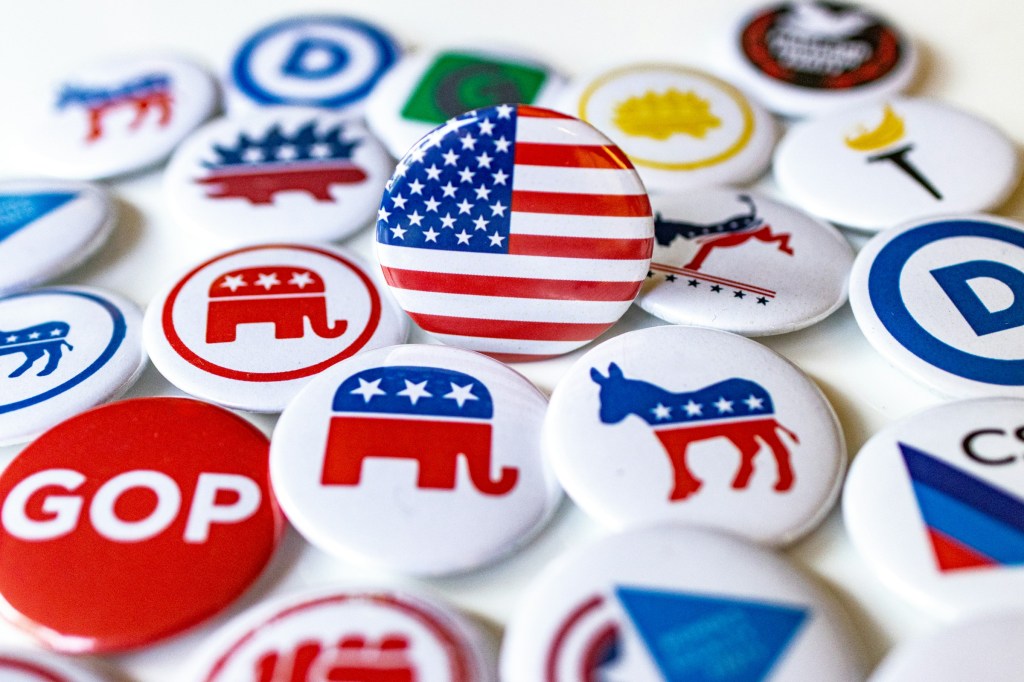

EXPLORE
Communication and the human condition


Sign up for updates

-

The marketing funnel is not a fact of life. It’s our own doing. And we can reshape it.
Does the marketing process really have to be shaped like a funnel? Or are modern digital marketers stuck within the wrong framework? Like trying to fit a square peg into a round hole? More importantly, can we reshape it into a more efficient model? Read more
-
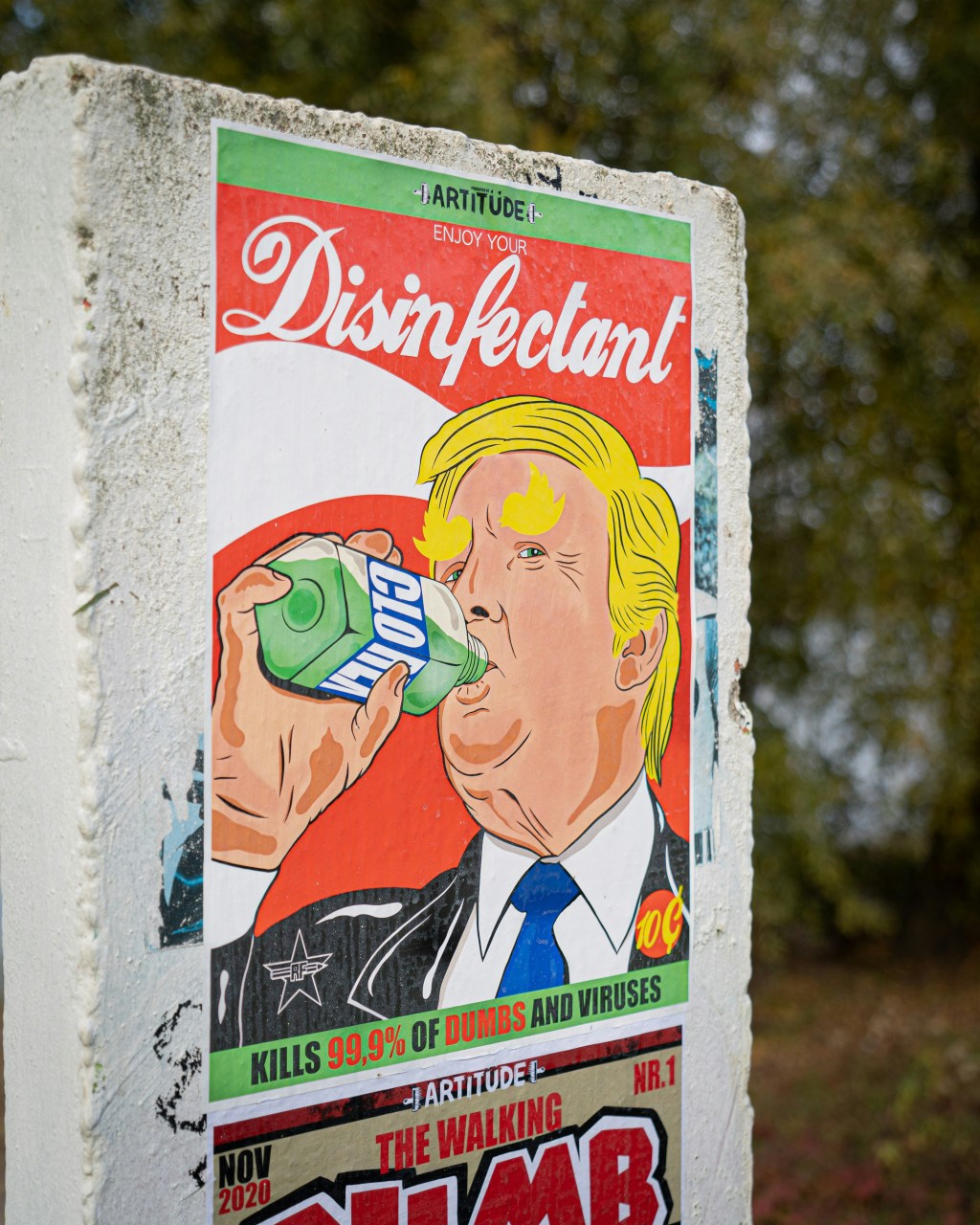
Culture, power, and narratology: Muted voices in conspiracy scholarship
Conspiracy theories are often studied as a psychological phenomenon affecting narrative consumers at the individual level. What we should study is the narratives themselves and how they morph with power and culture. Read more
-

Human capital and the erosion of humanity in a knowledge economy
Intellectual capital is not like any other form of asset that can be adequately managed using process and procedure. Humans are a distinguishing feature of this asset class, making it a simultaneously volatile and precious resource. Read more
-
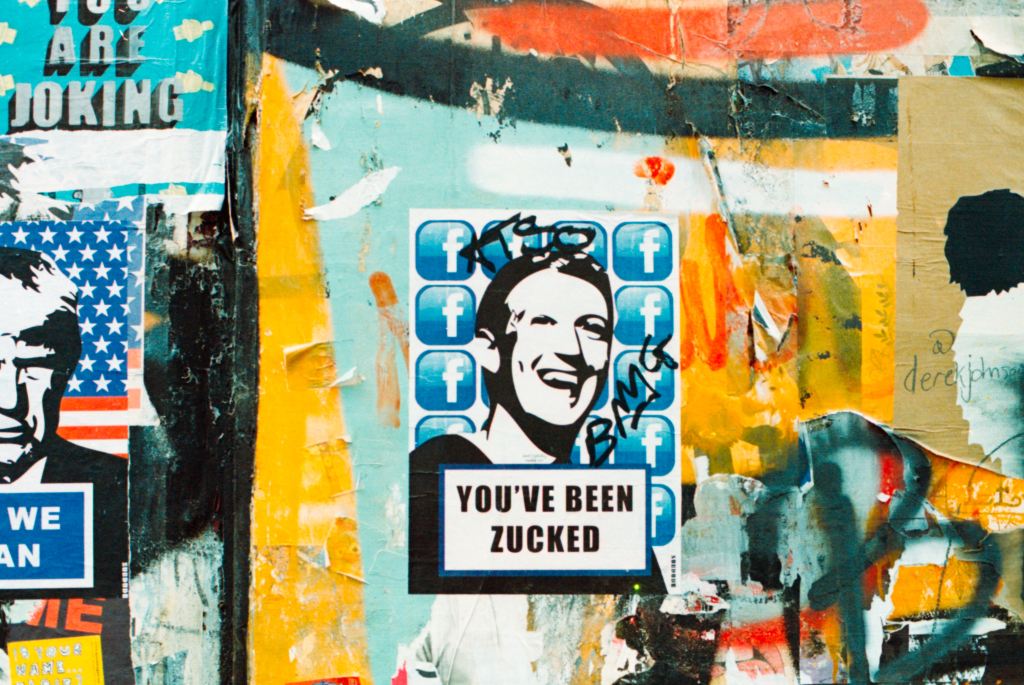
Partial information is bad communication: When initiatives meant to develop communities do the exact opposite
Partial information creates false assumptions. In an environment where consumers believe all cards are on the table when they’re not, information initiatives can introduce chaos and create more problems that they solve. Read more
-
It from bit? Matter does not precede thought after all
In this rethinking of Wheeler’s “It from bit,” we look at laws of the physical universe as code that determines the boundaries of natural reality. Information precedes matter precedes thought. Read more
-

Probability versus certainty: A scientific look at communication theory
When we think of the sciences, especially the “hard” ones, everything seems exact and absolute. The speed of light is a constant in the universe that limits the velocity of everything within it. The earth’s gravity is a cool 9.81 m/s2. The value of pi is 22/7. For centuries, this has given the illusion that… Read more

