
Over the last two decades, thanks to our information society, data has risen in status as the most valuable commodity for business (Brandao and Rezende, 2020). In fact, mathematician Clive Humby proclaimed data as the new oil as far back as 2006. With refined data, enterprises can generate insights that help them predict future behaviors, wants, and needs of customers which they can satisfy with suitable products and services (Talagala, 2022).
How Facebook algorithms rewired human psychology
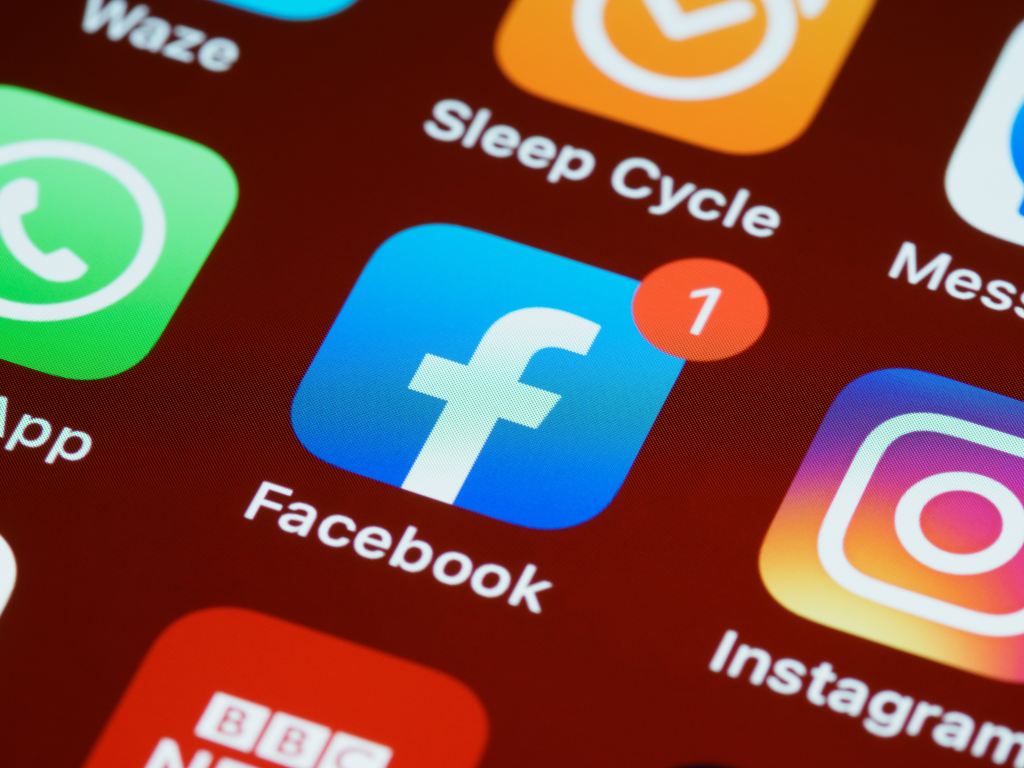
Social media giants like Meta have rewired cultural attitudes and social consciousness around digital privacy into that of perpetual connectivity, along with the personal sacrifices which need to be made to achieve it. Using algorithms programmed with psychological manipulation to keep users scrolling, these platforms have not only conditioned their audiences to give up more and more of their personal data in exchange for the next dopamine hit, but in doing so all but guaranteed their own success by mining our ever-burgeoning trove of online activity data (Hill, 2014).
Politically-aligned commercial outfits like Cambridge Analytica have directed disinformation at our deeply ingrained psychological features to sway public opinion and conjure political winners out of thin air.
That data is used to make it even harder for users to get off the app. And while there are legitimate discussions around the negative impacts of social media addiction, a more urgent matter to focus on is how our information is leveraged against our own political and economic interests. Indeed, the way our social psychology has been molded by social media, along with the valuable data we have been brainwashed to willingly part with, has made it a lot easier for external actors to influence our behaviors ever so slightly toward the direction they want. They can make us want to buy products and avail services that we don’t need. But even more concerning than that, they can target us with enough accuracy to change how we vote, participate in public discourse, and view critical socio-economic issues.
The importance of data literacy in the world of disinformation
Data literacy (also called privacy literacy), a concept that details one’s awareness on and aptitude for managing their personal data, is becoming a fundamental policy discussion in the digital age (Carmi et al., 2020). Due to very weak regulation around user data harvesting from online behaviors, corporations have had a decade-long field day at the expense of end-users. Politically-aligned commercial outfits like Cambridge Analytica have directed disinformation at our deeply ingrained psychological features to sway public opinion and conjure political winners out of thin air (Ghosh and Scott, 2018). There is a clear need for tighter regulation of user activity data, as well as strongly enforced guidelines on acceptable use, so that our seemingly harmless, mindless scrolling on social media apps does not get turned into a weapon aimed squarely at us – ever again.
References
Brandao, P., & Rezende, M. (2020). Data: The most valuable commodity. Kriativ-Tech, I(8). https://doi.org/10.31112/kriativ-tech-2020-08-47
Carmi, E. & Yates, S. J. & Lockley, E. & Pawluczuk, A. (2020). Data citizenship: rethinking data literacy in the age of disinformation, misinformation, and malinformation. Internet Policy Review, 9(2). https://doi.org/10.14763/2020.2.1481
Ghosh, D., & Scott, B. (2018, March 19). New facebook scandal shows how political ads Manipulate you. Time. https://time.com/5197255/facebook-cambridge-analytica-donald-trump-ads-data/
Hill, K. (2014, June 28). Facebook manipulated 689,003 users’ emotions for science. Forbes. https://www.forbes.com/sites/kashmirhill/2014/06/28/facebook-manipulated-689003-users-emotions-for-science/?sh=764d2015197c
Talagala, N. (2022, October 12). Data as the new oil is not enough: Four principles for avoiding data fires. Forbes. https://www.forbes.com/sites/nishatalagala/2022/03/02/data-as-the-new-oil-is-not-enough-four-principles-for-avoiding-data-fires/?sh=6315357fc208

 JQCO.PhD
Leave a reply to Culture, power, and narratology: Muted voices in conspiracy scholarship – JQCO.PhD Cancel reply